AI can’t replace a physical product.
People still want something real they can hold, and someone has to make it and ship it.
The Renaissance OS™
We got tired of hiring to fix problems, so we started building systems instead. This is how our company runs day to day, and it’s the same setup we put into Inner Circle brands.
WhyRenaissance?
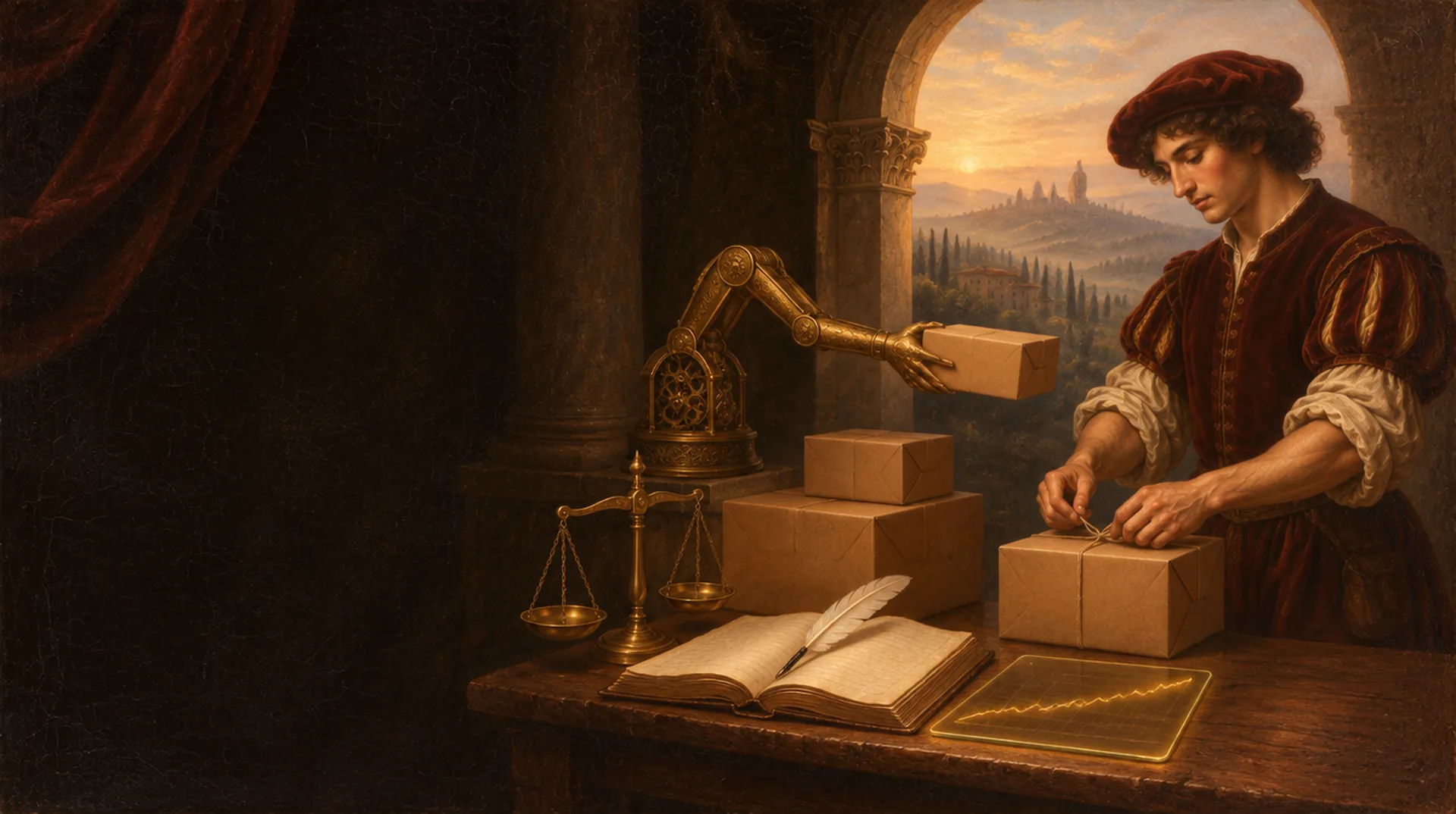
AI is rewriting most of the economy right now. Software gets copied in a weekend, services get automated, and a lot of digital businesses are finding out how easy they were to replace. We sell things people hold in their hands, and that has turned out to be a very good place to stand.
People still want something real they can hold, and someone has to make it and ship it.
Research, scripts, edits, pages and reports now take hours, where they used to take weeks.
The right market, an honest offer and clean numbers.

A renaissance happens when new tools reach people who already know their craft. That’s what we’re building for.
1 / Doctrine
We’ve changed tools more times than we can count. These six rules haven’t moved, and most of what we’ve built came out of one of them.
Every ad talks to one kind of person about one problem and makes one offer. We care about brand too, and we think it gets built when customers actually get the result.
Nobody buys an ingredient list. They buy a reason to believe this one works when the last three things didn’t. We keep rewriting it until a six-year-old could explain it back to us.

Before we spend on ads we work out what we can afford to pay for a customer. If the margin on an offer is too thin we fix the offer first, because scaling a thin one only loses money faster.
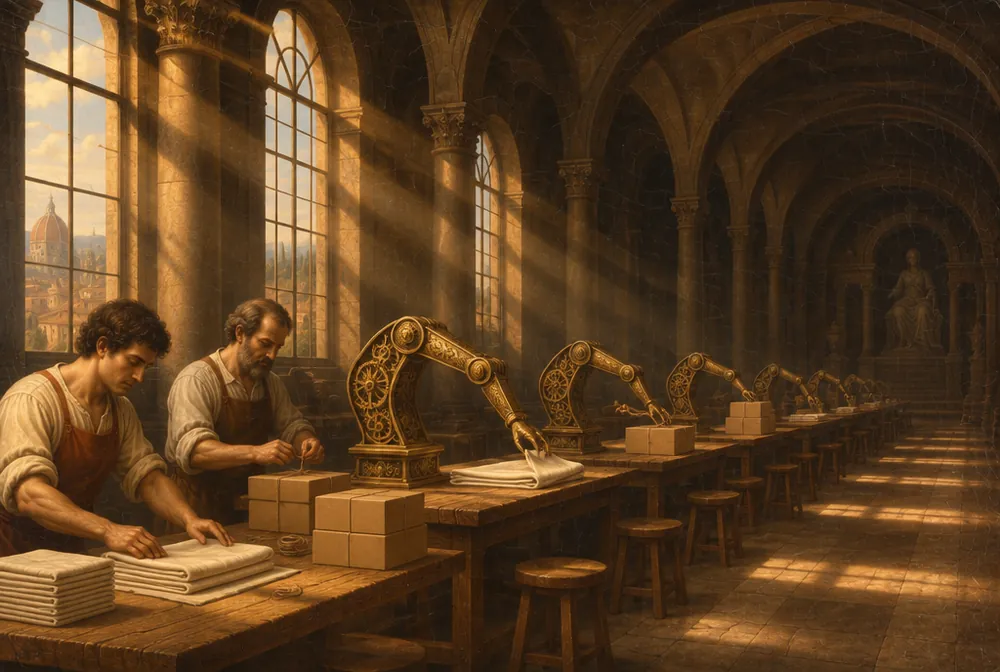
When something breaks, the easy answer is to hire. We try to solve it with a system first and add a person once the system needs one. It’s the reason the team is still small.
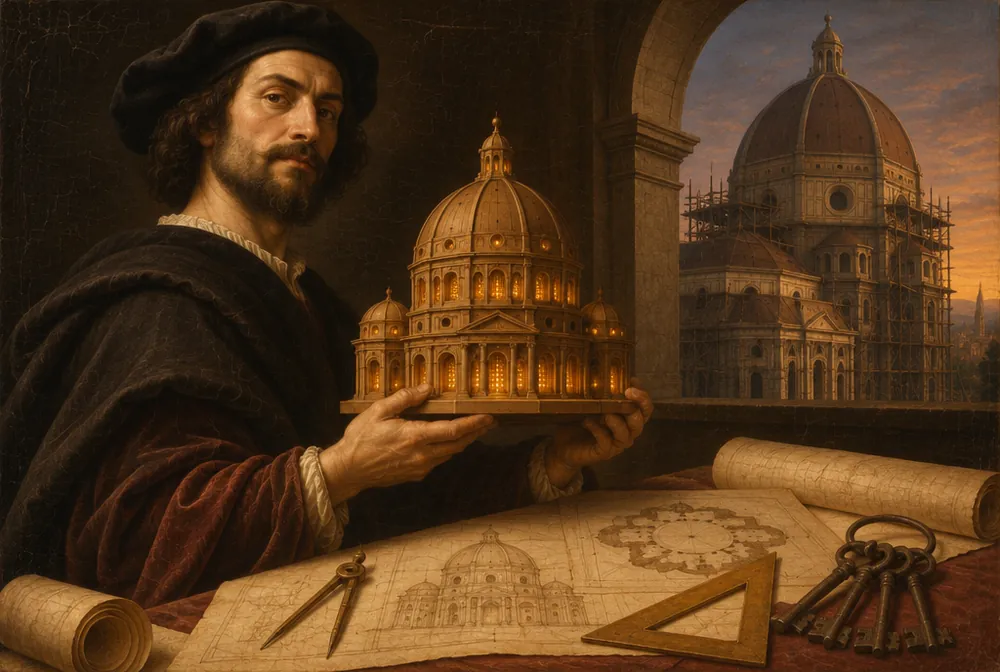
We used to pay agencies for media buying and creative. We brought both in house and built our own software around them, since anything we rent our competitors can rent as well.
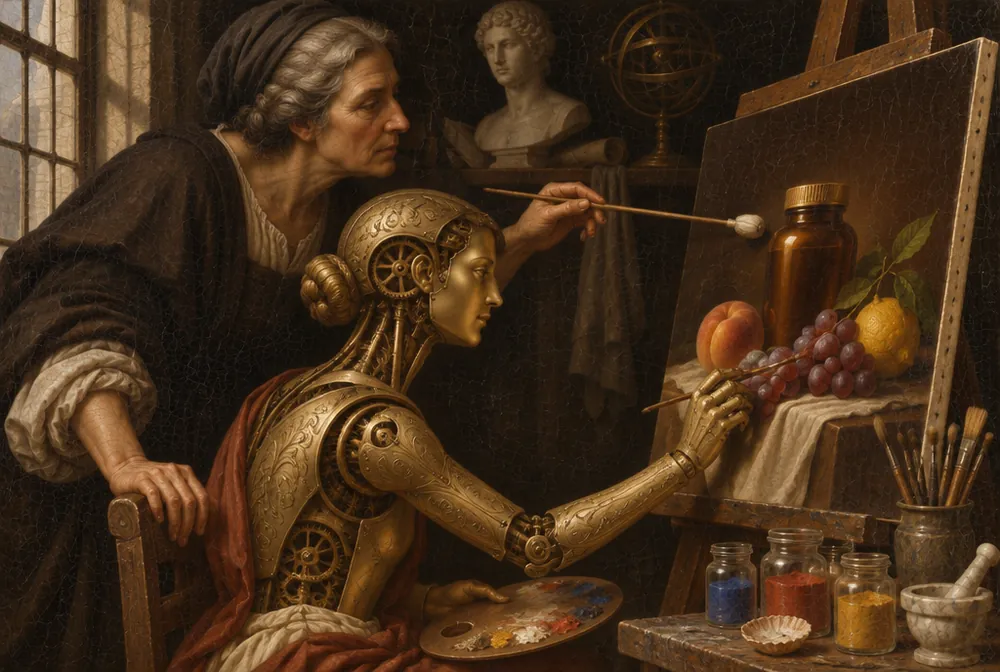
AI does real jobs here: research, scripts, edits and reports. Each job has a standard and a person who checks the output, the same way we’d manage a new hire.
2 / The system
The company runs as six parts. Each one hands off to the next, and every Monday the numbers come back around so we can adjust.
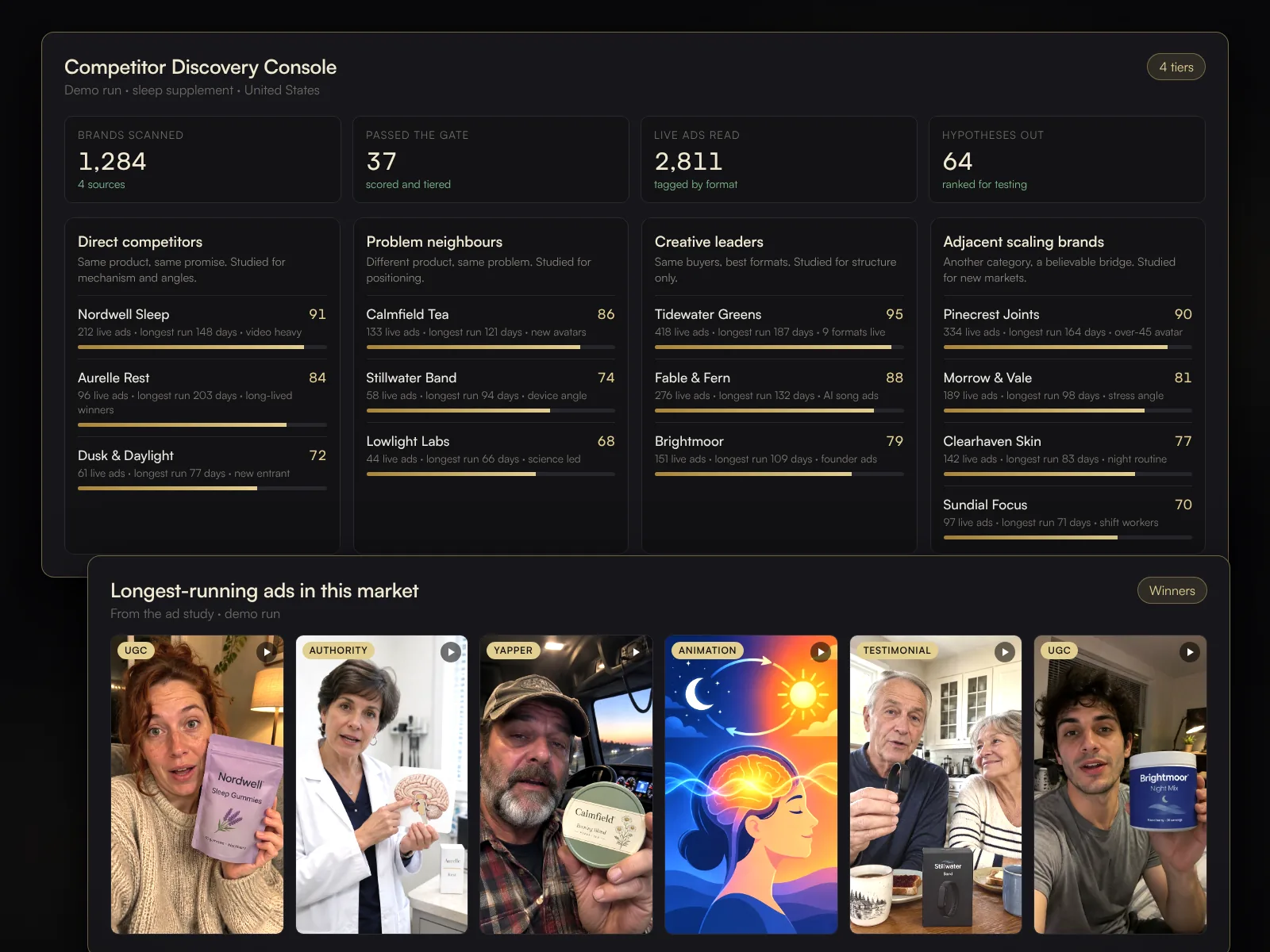
Most brands watch two or three direct competitors by hand. We built our own tools to go much deeper. They pull every live ad, landing page and offer across a whole market, including brands that sell nothing like we do, and AI reads, scores and sorts all of it. A lot of our best angles came from outside our own category.
We’re direct-response marketers first. A nice logo never fixed a weak offer, so our time goes into the avatar, the angle, the mechanism and the proof. All of it is kept in one place, the Brand Book we built. Our strategists, editors, page builders and AI tools all write from it, and it keeps its history so we can see what changed when results moved.
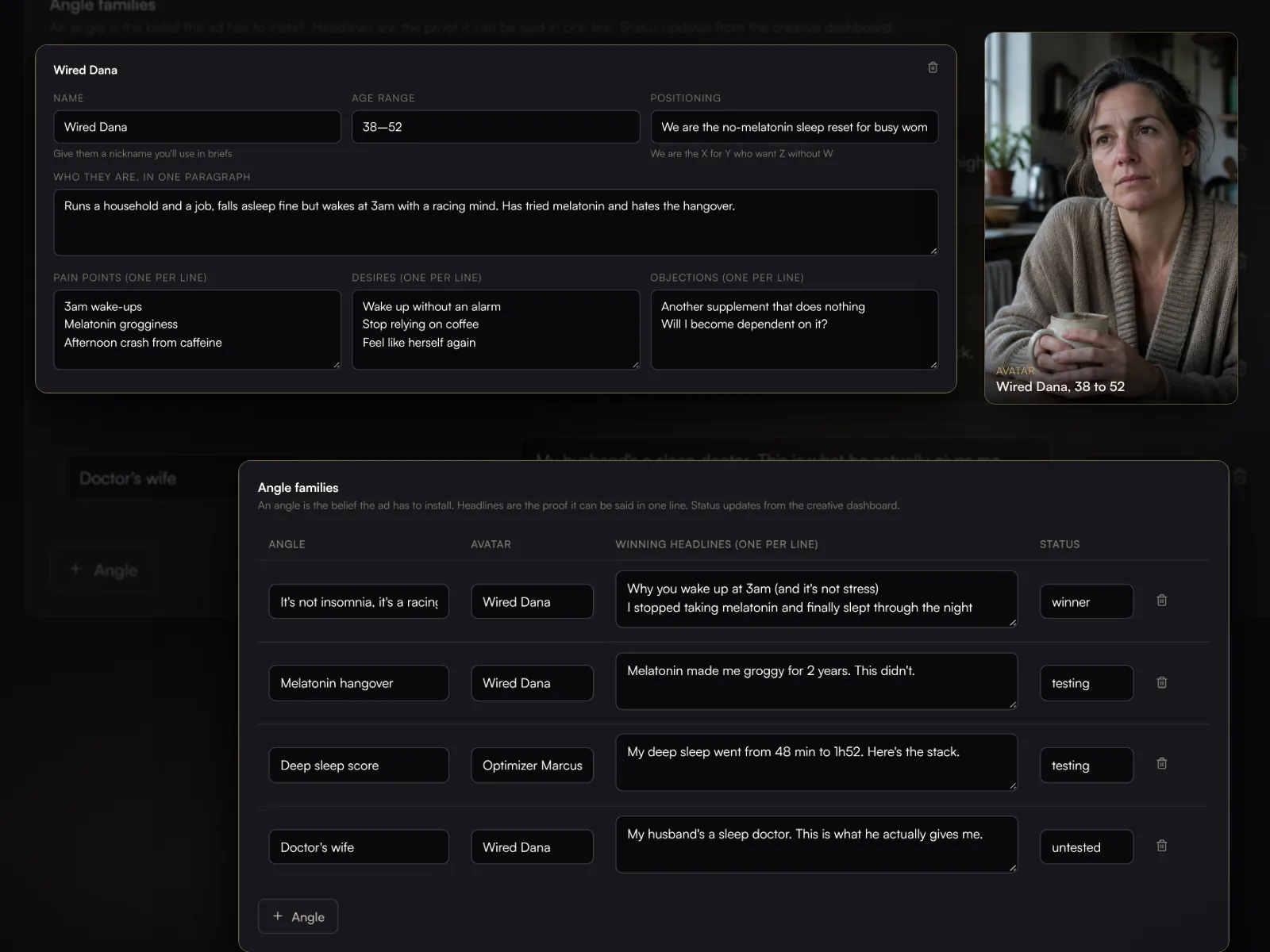
Each ad is built from an angle, an avatar and a format, and its name records all three. When something wins we can tell which part did the work and make more of it.
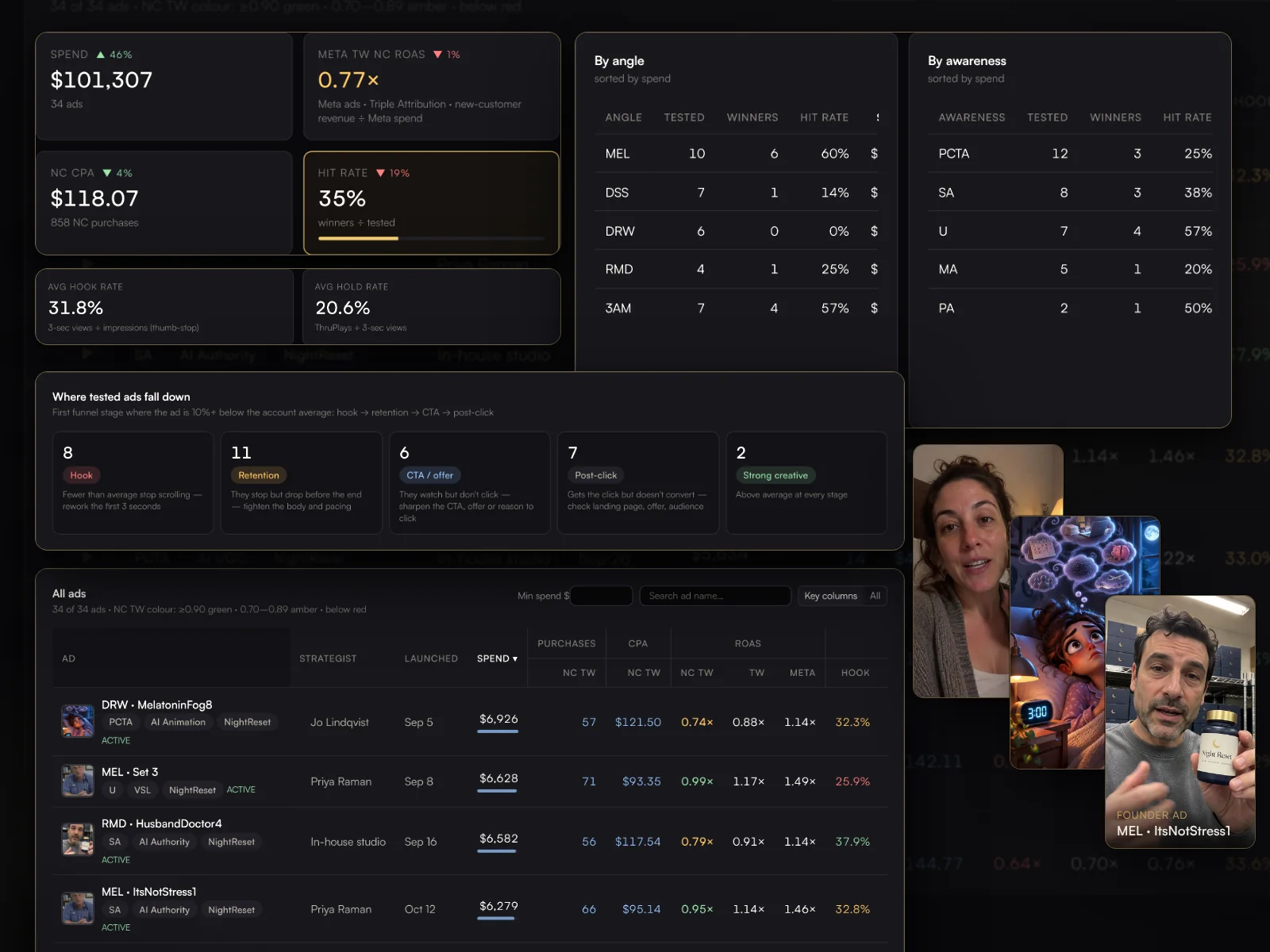
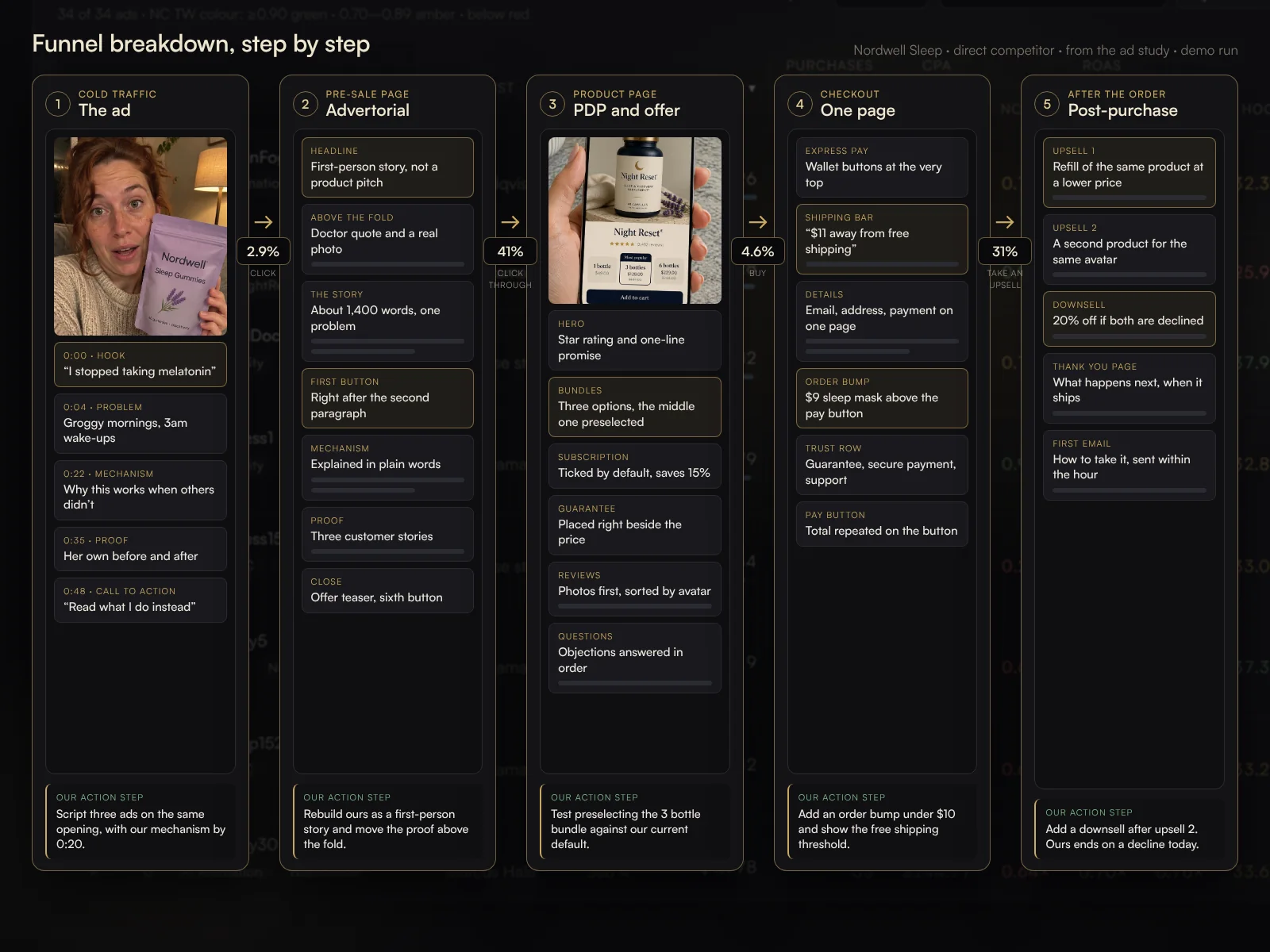
We’ve had great ads lose money because the page behind them was weak. So we test the pre-sale page, the offer, the checkout and the upsells as seriously as we test creative.
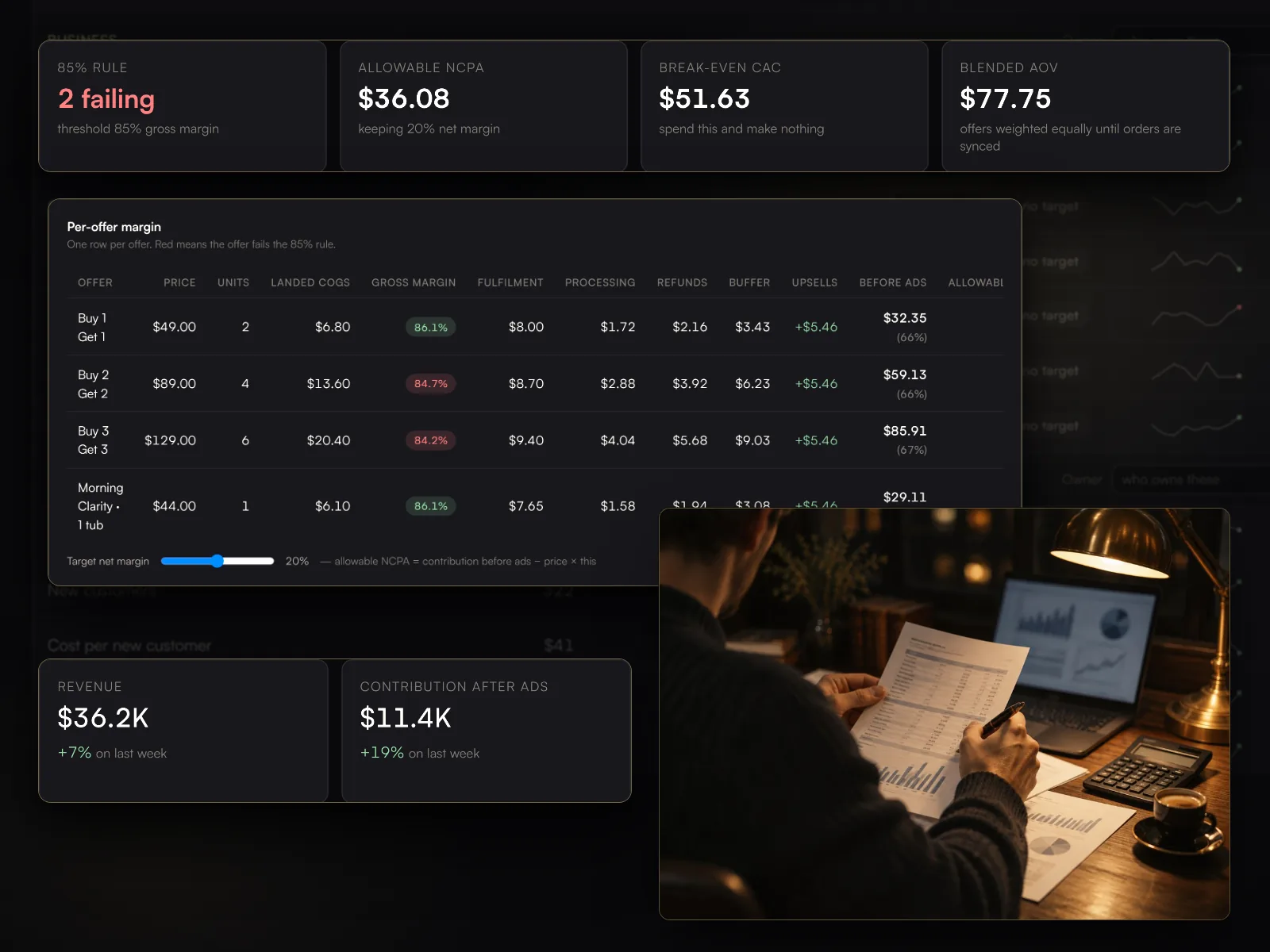
Understanding margin, cash and payback is a big part of why we could scale when others stalled. So we turned it into software: a margin model for every offer, a cash forecast week by week, and a written review every Monday. Any number can be traced back to how it was calculated.
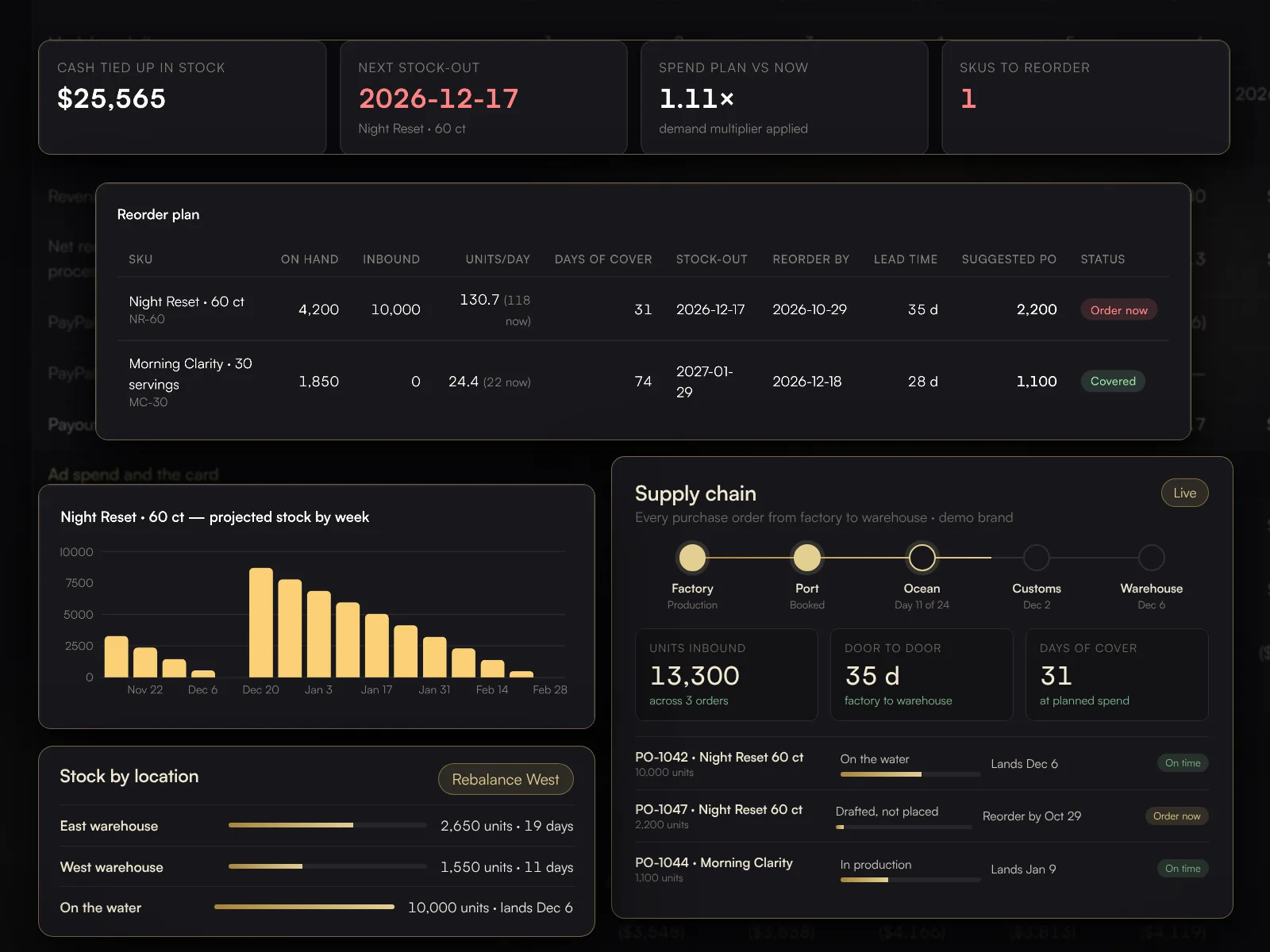
Most brands that are good at ads are bad at stock. For us it’s a second edge next to marketing. We run inventory and purchasing on an ERP we built ourselves, and AI forecasts demand from the ad spend we’re planning, so we know the reorder date weeks ahead.
3 / The stack
We started on the same off-the-shelf tools as everyone else and outgrew them one by one. Every tool here exists because something broke or cost us money first. We built the fix, kept it, and still run our own brands on it.
Research
Competitor Discovery ConsoleWho should we learn from?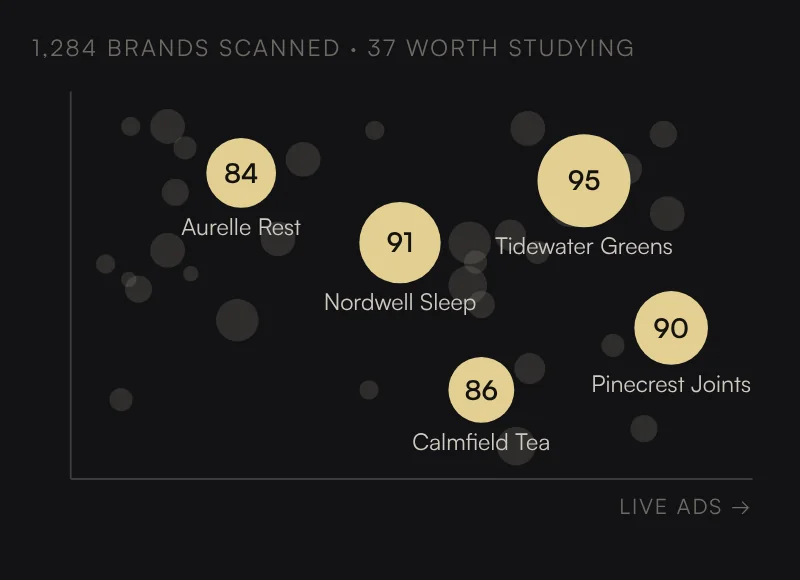
Research
Ad Intelligence StudyWhat should we test this quarter?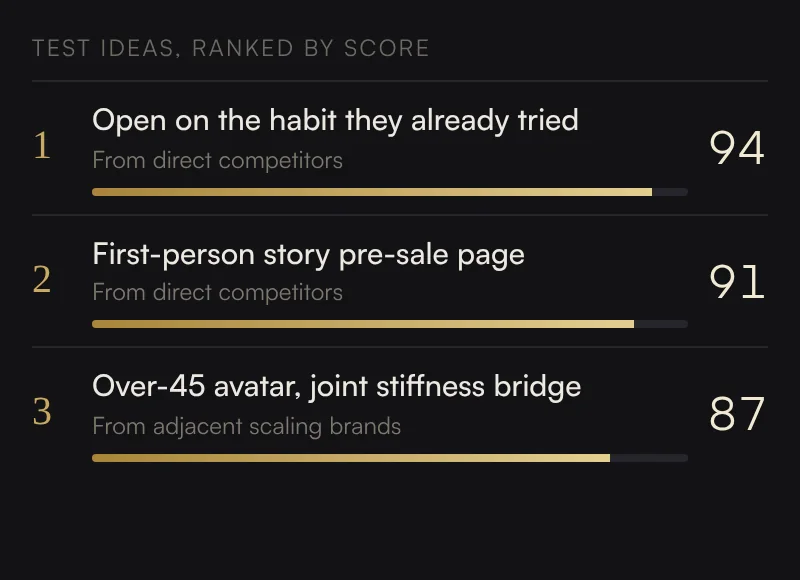
Creative
Brand BookWhat are we saying, and to whom?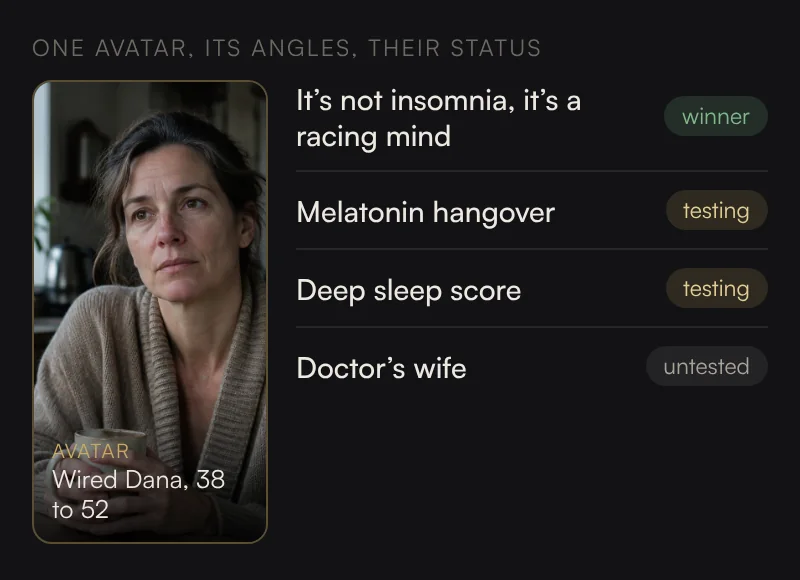
Creative
Creative PerformanceWhat do we make next?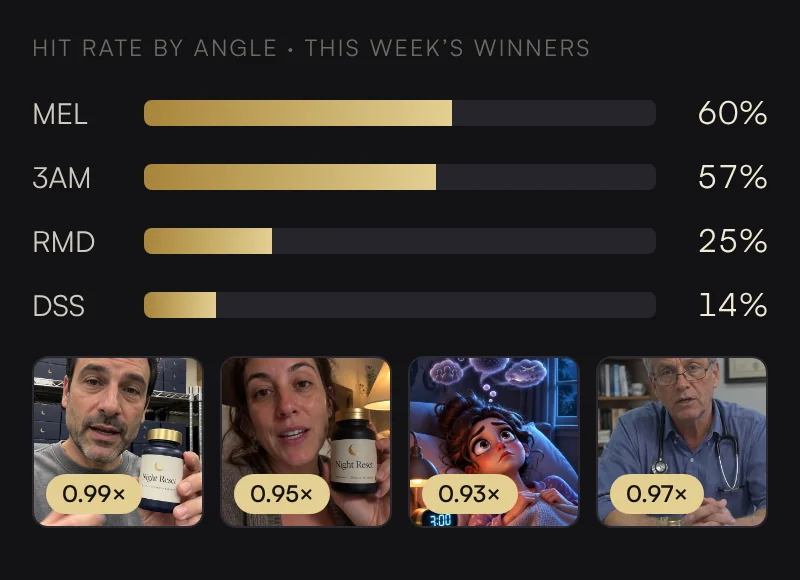
Money and stock
Unit Economics and Cash FlowCan this offer scale?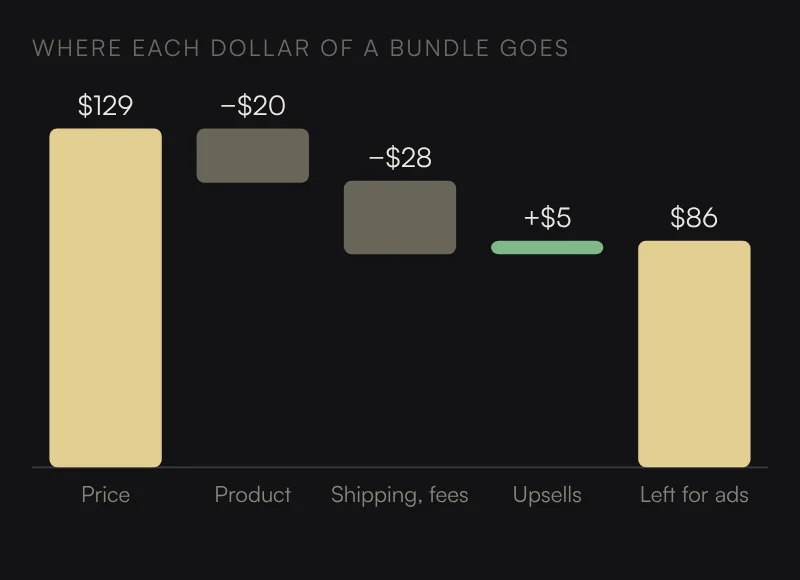
Money and stock
Inventory Planning and ForecastWhen do we reorder, and how much?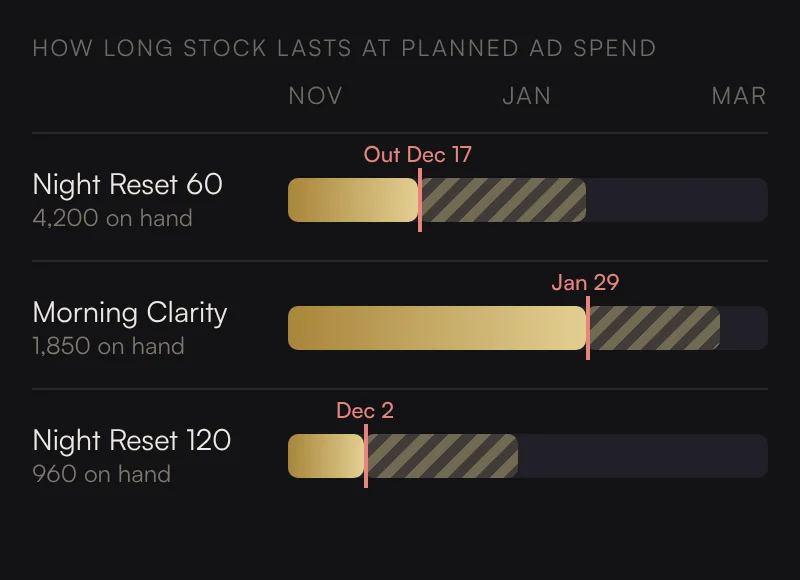
Week to week
Weekly Business ReviewWhat changed, and why?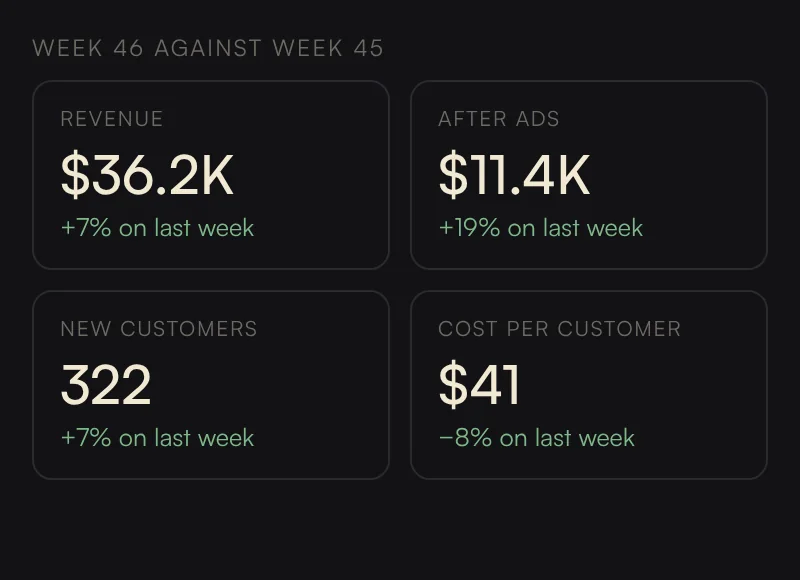
Week to week
Knowledge BaseHow do we do this here?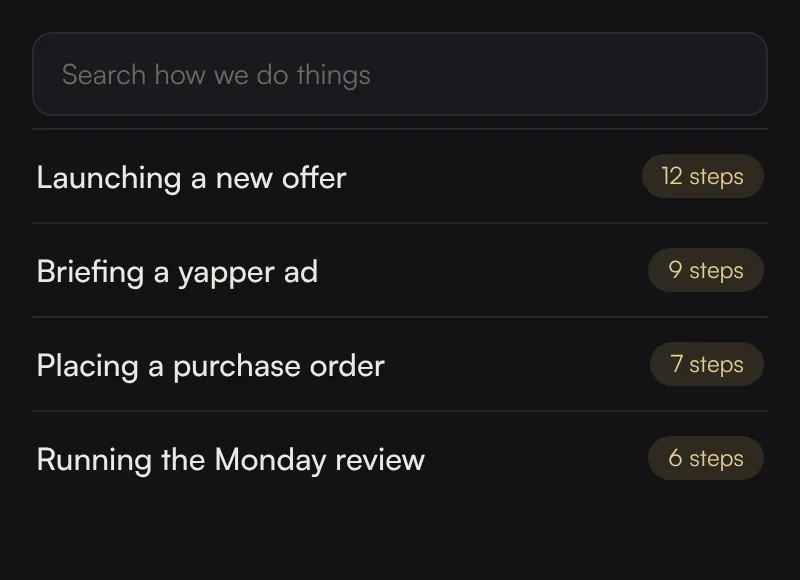
Week to week
The DeskWhere does this brand need us today?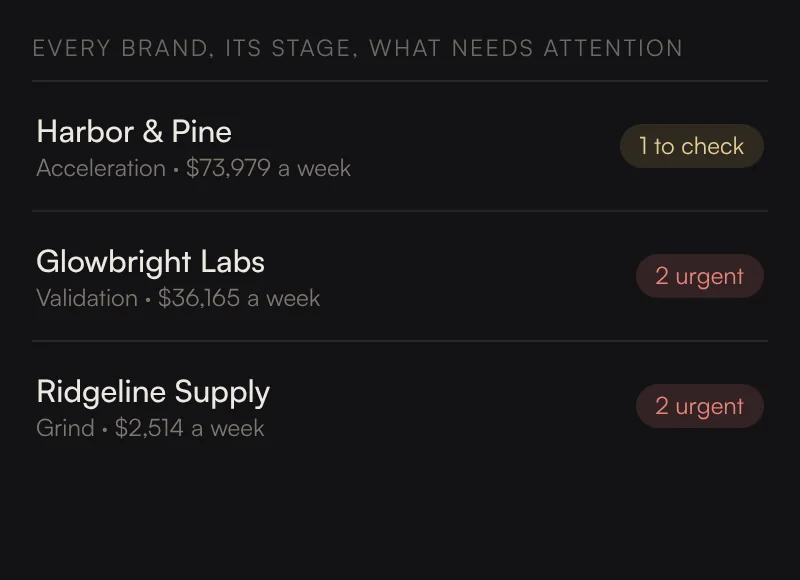
And that’s only part of it...
None of this is sold on its own. Inner Circle members get it set up for their brand.
We built our brands from a first product to $100M a year, and we still run them. Everything on this page is what we use ourselves.
 AI Systems, Funnels & Copy
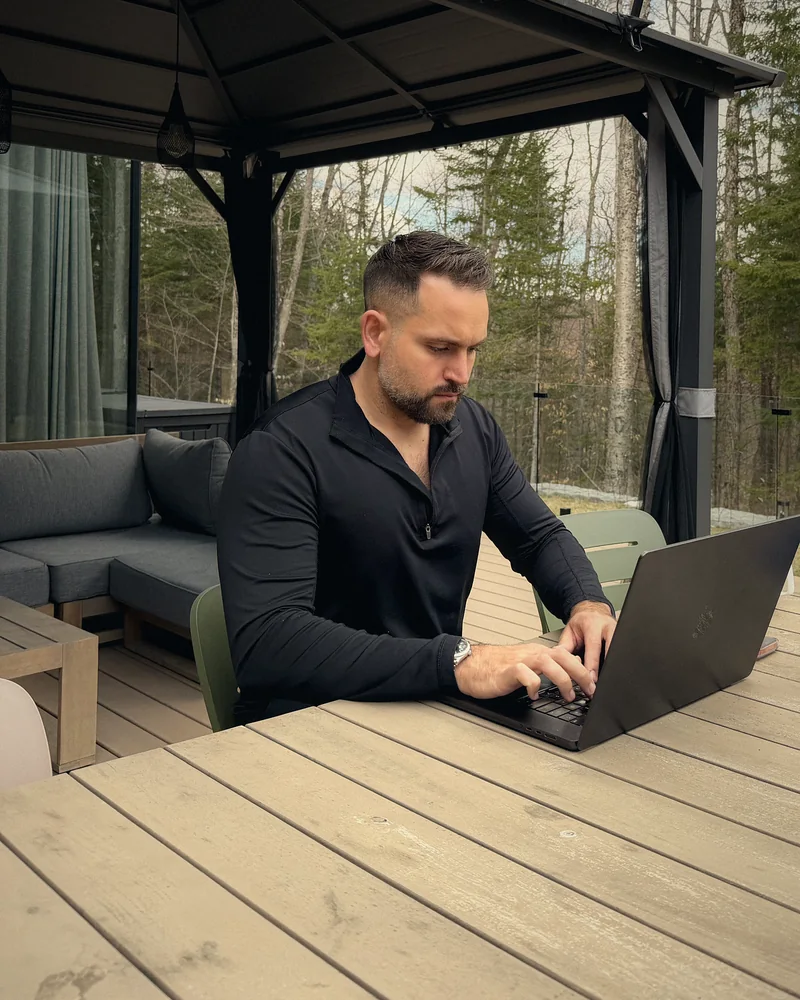
Leads AI systems, funnels, conversion and direct-response copy. He used to run a marketing and CRO agency for top 8 and 9-figure DTC brands.
 Operations, Hiring & Creative
Leads operations, infrastructure, hiring and creative. Ecommerce has always been his craft, and he previously ran an SEO agency for leading ecommerce brands.
The Inner Circle
We don’t sell this as a course and we don’t license it out. We set it up inside Inner Circle brands and work through it with you ourselves. Membership is by application.